
INSIGHTS
Engineering lessons from real programmes
Publicly documented programmes and the findings of official investigations, and the engineering practice they point to.
What good looks like

Skunk Works and the XP-80: speed from clarity
The XP-80 was built in 143 days. The speed came from clarity, not from skipping rigour.
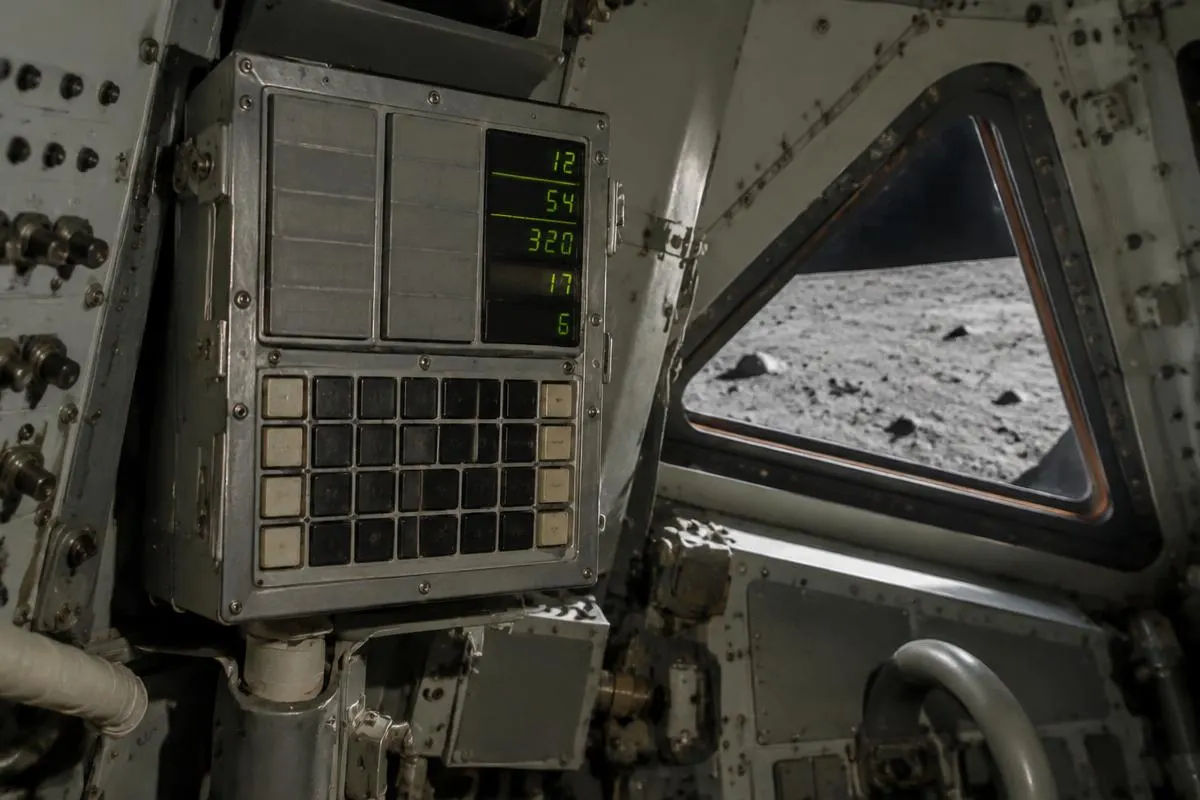
Apollo 11: off-nominal behaviour as a requirement
When the guidance computer overloaded during lunar descent, the software shed low-priority work and the landing continued.

Boeing 777: early stakeholders and a shared digital model
The first airliner designed entirely digitally entered service with day-one ETOPS approval.
Lessons from the record

Ariane 5 Flight 501: reused software, unrevised requirements
Software reused from Ariane 4 had never been tested against Ariane 5 conditions.

Mars Climate Orbiter: a units mismatch across team boundaries
The interface specification required newton-seconds. Ground software sent pound-force seconds.
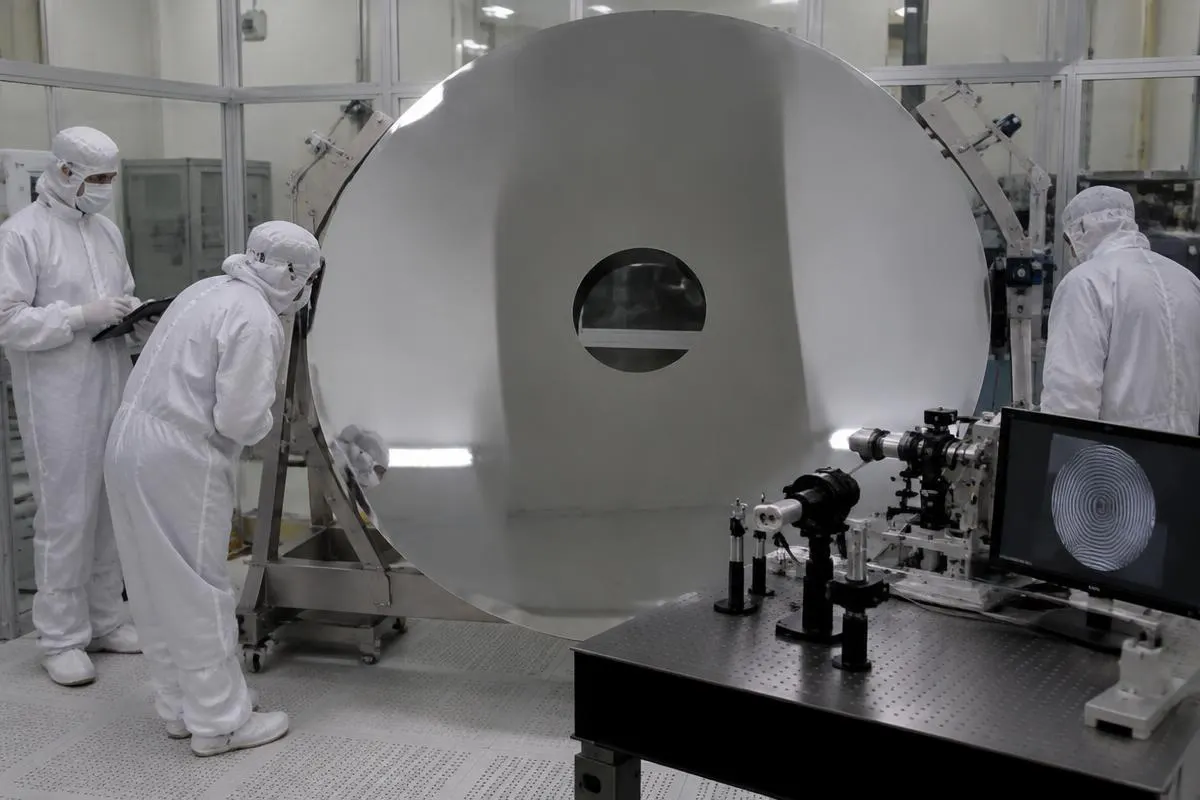
Hubble's primary mirror: precisely wrong
The mirror was ground to a precise but wrong shape, because the test instrument itself was wrong.

Boeing 737 MAX and MCAS: a design change and its safety assumptions
The MCAS design changed during development; the safety assessment and pilot information did not reflect the evolved system.

Boeing 787 batteries: certification assumptions and worst-case failure
The NTSB found certification safety assumptions did not reflect worst-case cell failure effects.

Nimrod XV230: when a safety case becomes paperwork
The Haddon-Cave Review found the safety case had become a documentation exercise rather than a genuine risk assessment.
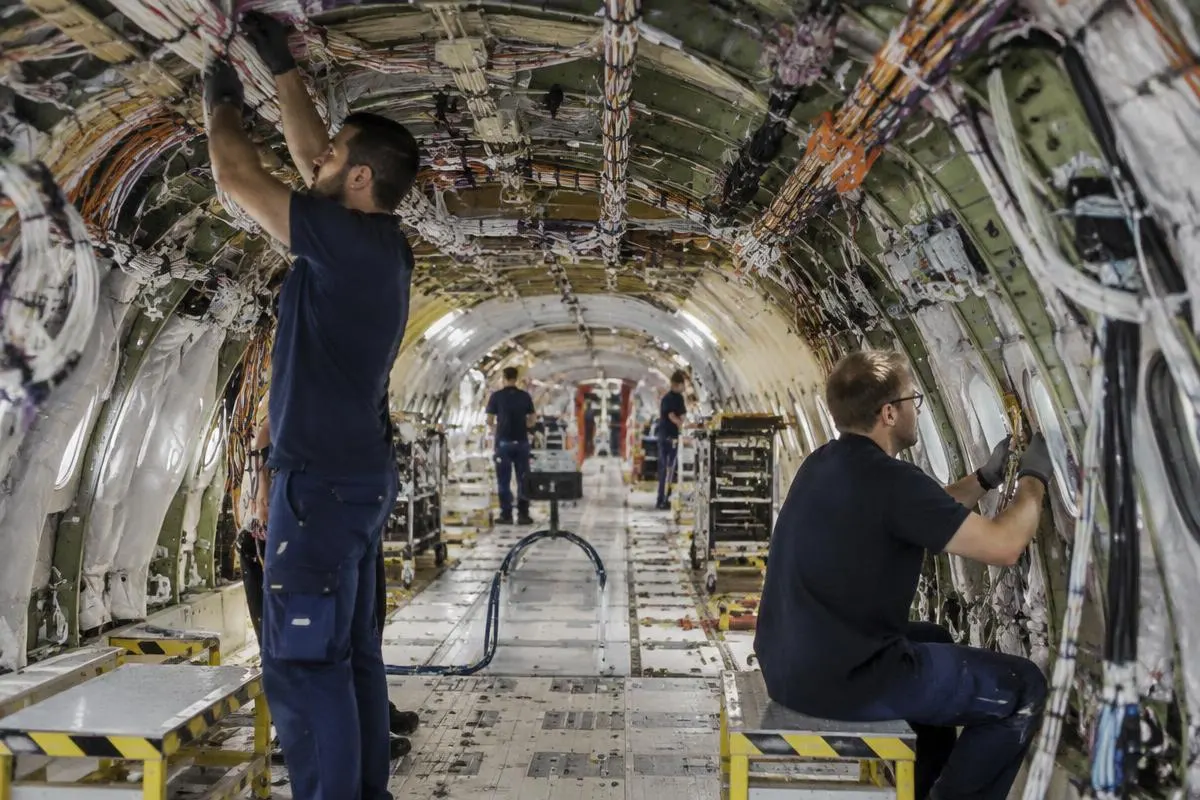
Airbus A380 wiring: tool configuration as engineering risk
Harnesses designed in incompatible versions of CATIA across sites did not fit the airframes.

Uber ATG, Tempe: an unstated operating assumption
The NTSB found the system did not account for pedestrians outside crosswalks.