
Hubble's primary mirror: precisely wrong
The mirror was ground to a precise but wrong shape, because the test instrument itself was wrong.
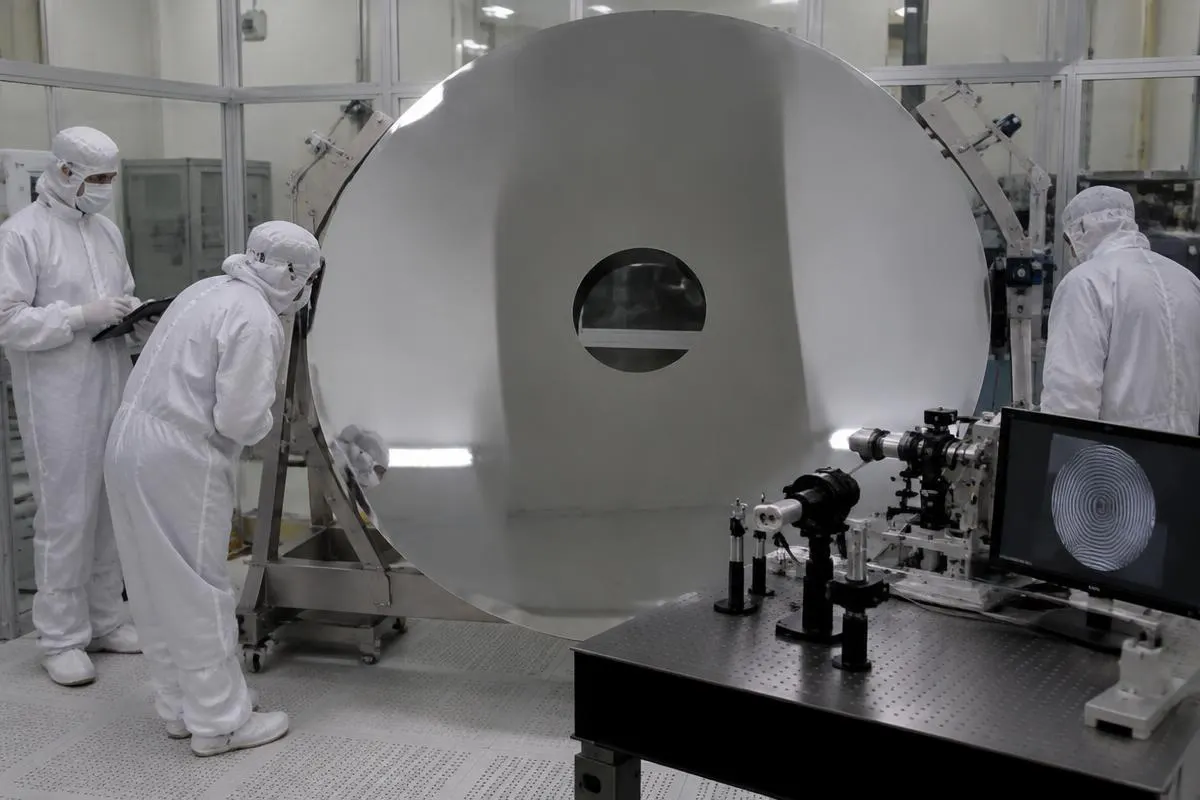
- Programme
- Hubble Space Telescope primary mirror
- Year
- 1990
- Sector
- Space
- Outcome
- Primary mirror ground to an incorrect shape
What happened
Hubble's primary mirror was ground to a shape that was precise but wrong.
The test instrument used to guide polishing had been assembled incorrectly.
What was found
The NASA Hubble Optical Systems Failure Report (the Allen report) found that the polishing test instrument had been assembled incorrectly.
It also found that other test results indicating a problem had been discounted.
Engineering lesson
A single verification method can be precisely wrong. High precision from one instrument says nothing about whether that instrument is measuring the right thing.
Independent results that disagree are evidence. When they are discounted in favour of the primary method, the verification approach loses the very check that could expose a systematic error.
The practice this points to
Use independent verification methods for critical characteristics, so one systematic error cannot pass unnoticed.
Record conflicting results and require a documented resolution, rather than allowing them to be set aside.
Where Kelvora fits
Kelvora is a requirements and assurance platform that can hold more than one piece of evidence against a requirement and make disagreement between them visible. Engineers remain responsible for resolving conflicts, with the resolution recorded alongside the evidence.
Sources
- NASA, Hubble Optical Systems Failure Report (Allen report), November 1990.