
How AI Can Help Engineers — Without Taking Control
A simple guide to using AI in engineering while people stay responsible for every important decision.
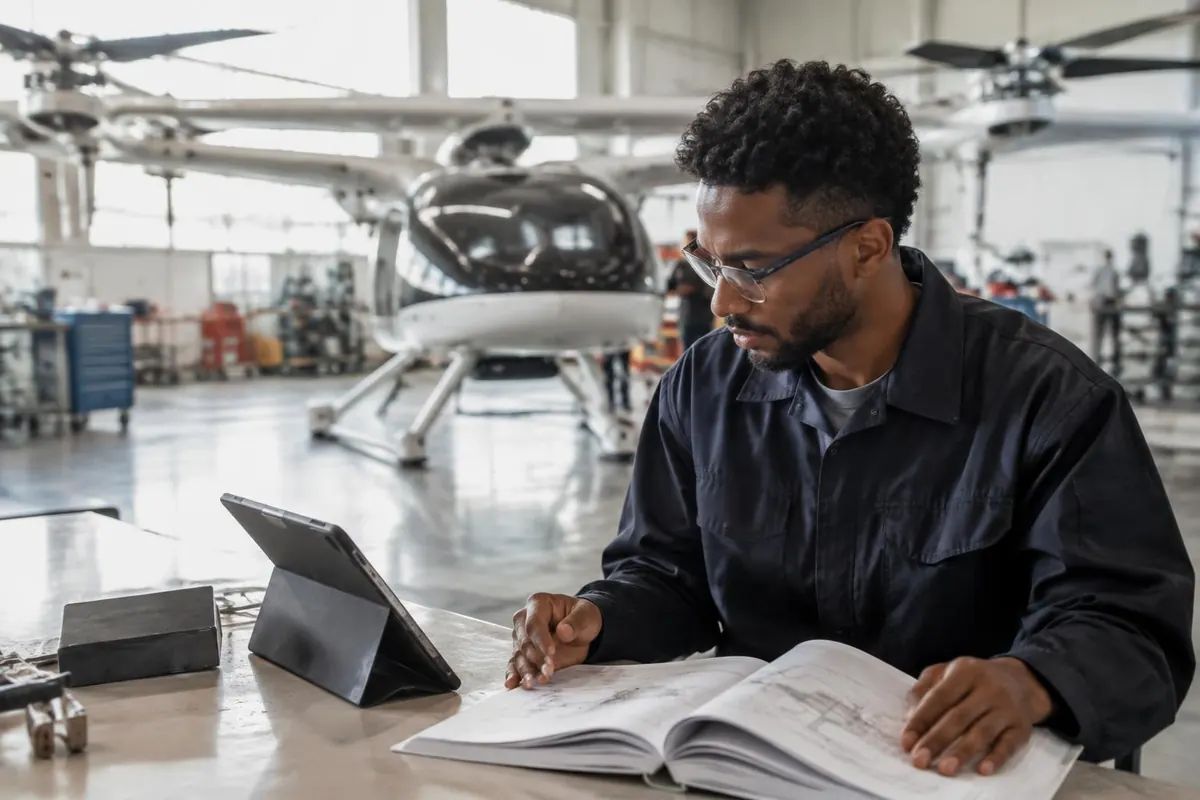
Engineering teams build complex things such as cars, trains, drones and spacecraft. They must also prove that those products are safe.
Artificial intelligence (AI) can help with some of this work. But it should not make important safety decisions on its own. That is why we created the Kelvora Engineer-Approved Automation Handbook.
The main idea
The handbook follows one simple rule: AI suggests, engineers decide.
AI can spot unclear requirements, suggest useful links and find missing evidence. A qualified engineer then checks the suggestion before anything changes. This keeps people in control and creates a clear record of each decision.
Think of AI as a helpful assistant. It can organise information and point out possible problems, but the engineer is still responsible for the final answer.
What the handbook explains
The handbook shows:
- which engineering tasks AI can help with;
- which decisions must stay with people;
- how to review and approve AI suggestions;
- how the approach works in cars, trains, aircraft and space systems;
- how a team can start with one small project.
It also introduces safety standards. These are agreed rules that help engineers design and test products properly.
Why this matters
A safe product needs more than a long list of documents. Teams must be able to show what they decided, why they decided it and what evidence supports it.
Engineer-approved AI can make that work faster without removing human responsibility.
Want to see this in practice?
Book a demo